Across Nigeria, we work with the communities development leaves behind — not speaking for them, but making room for them to speak.


The Society for the Rights of the Excluded and Disempowered works at the intersection of human rights, gender justice, climate justice, social protection and urban resilience. We work with the people mainstream development leaves behind:
Our approach is simple and stubborn. We do not treat people as recipients. We treat them as the leaders of their own recovery — and then we get out of the way.
Six areas, one thread running through all of them: nobody should be excluded from the decisions that shape their life.
Cross-cutting. Because inequality is not a women’s issue — it is a barrier to peace and development for everyone.
Nigeria’s most vulnerable communities face converging pressures — conflict, climate change, and exclusion from the very systems built to protect them.
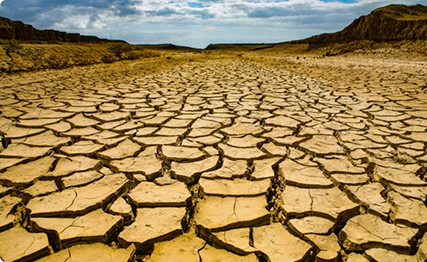
Climate change hits the most vulnerable hardest. We make sure adaptation is inclusive — and that women lead it.
Rights-based responses to crisis, with gender responsiveness built in from the start.
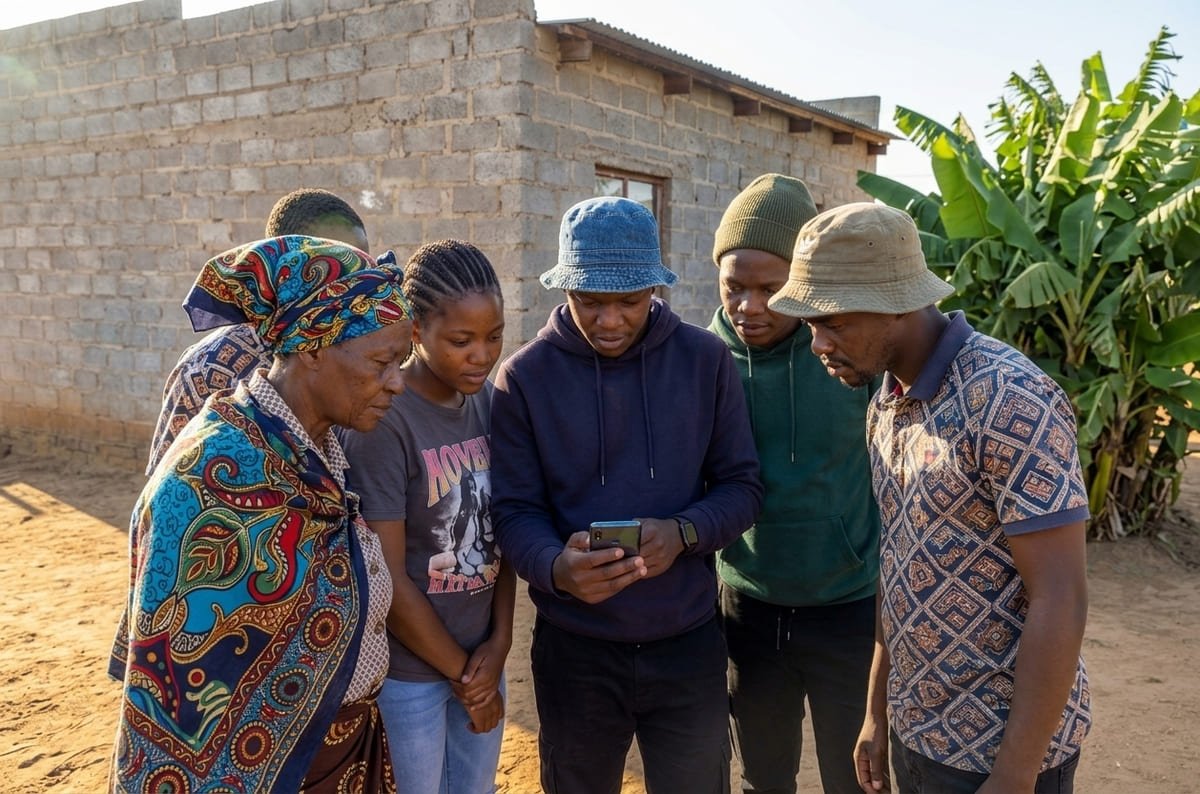
Digital inclusion, and protection from online harassment and technology-facilitated violence.
Nigeria’s most vulnerable communities face converging pressures — conflict, climate change, and exclusion from the very systems built to protect them.
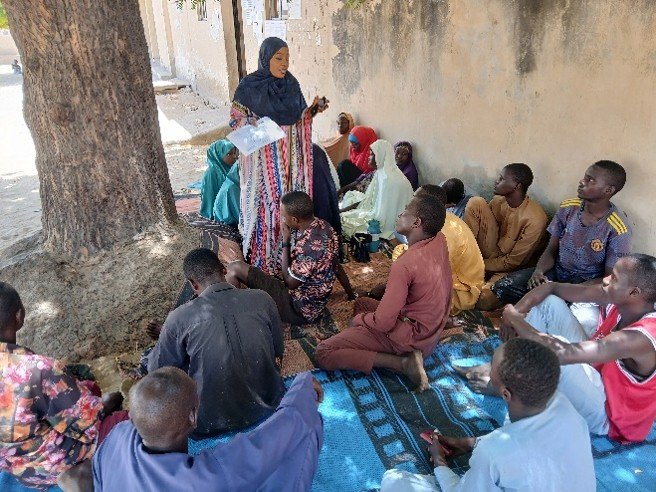
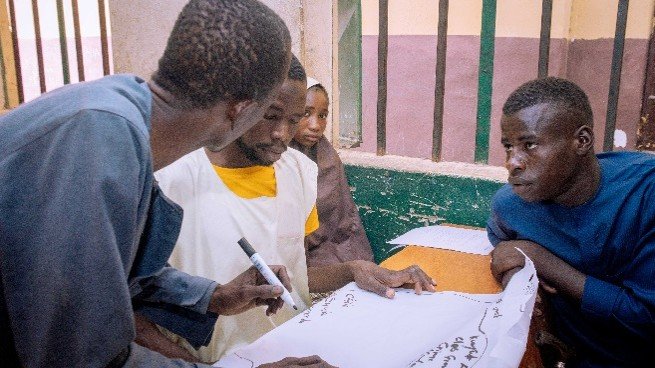
In Konduga, young people whose livelihoods were disrupted by years of insecurity are training as tailors, caterers and phone technicians — and opening their own businesses. Alongside them, communities and local leaders are building stronger dialogue on safety and security.
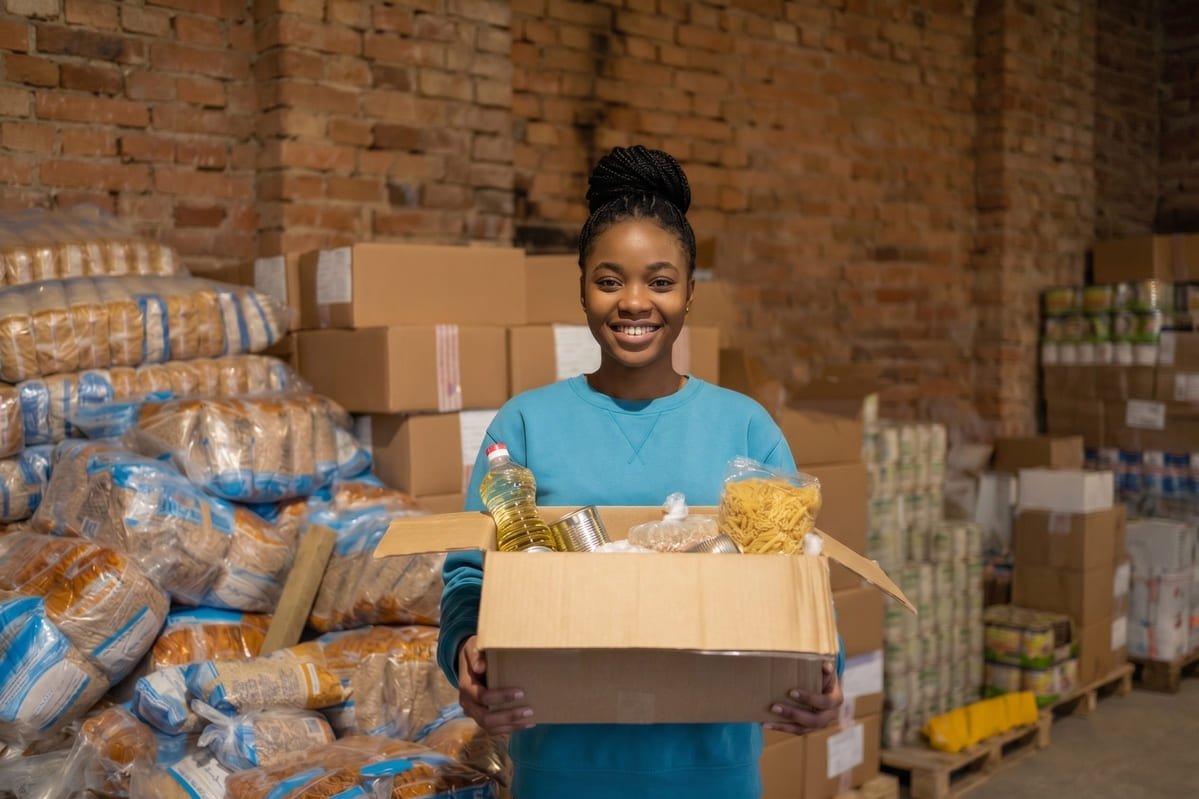
When displaced women in Ogoja started processing cassava together, the goal was income. What happened next was not in any project document: they set aside a share of their profits, created a social impact fund, and used it to repair water infrastructure and produce sanitary pads for other women in their community.
The market-linked vocational training has become a huge source of income and economic empowerment for me.
Programme Participant, Ogoja
Fund training, tools and protection for the people who need them most.
Bring your skills. We need more than money.
Monthly stories from the communities we serve.
Foundations, institutions and companies — let's design impact together.